
Musicianship (Creativity) Above Technology
Musicianship and individual creativity always supersede technology.
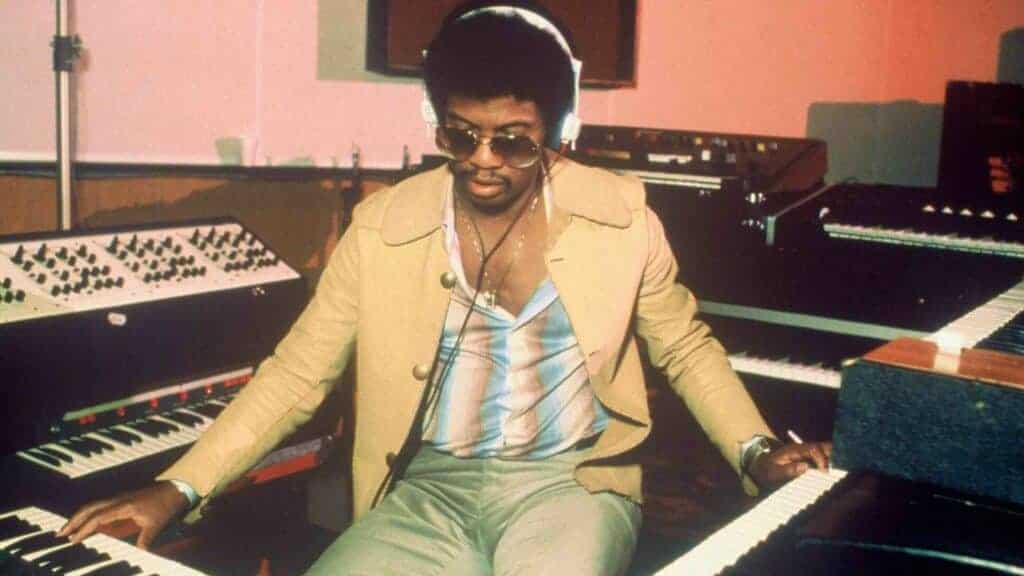
The mythology of music making gives cover to those who make music. Put another way, most musicians benefit from the aura of authority and perceived genius, whether they are geniuses or not. People perceive composers and musicians as having a unique talent, which they often do; but the mythology sets in when people respond to musicians in much the same way that an audience responds to a magician’s trick: “How’d he do that?” Today’s technology, which can turn anyone with a smart phone into a musician, is providing some of the answers. This upsets the status quo because suddenly some secrets are laid bare and the work of so-called geniuses are demystified.
David Sanjek is correct when he states that it “should be evident that the elevation of all consumers to potential creators thereby denies the composer or musician an aura of autonomy and authenticity.”[1] Still, even if technology enables a music process, such as sampling, the aura of autonomy and authenticity doesn’t vanish entirely. Musicianship (creativity) always exists above and beyond technology. The piano, itself a technological advancement, is played by millions of people the world over, yet each pianist is as talented as their own musicianship and creativity. In other words, musicians are not necessarily bound by the limitations of the technology that their instruments offer; there is always a case to be made for those musicians whose musicianship, creativity, and ingenuity surpasses the technology at their disposal.
In his essay “‘Don’t Have to DJ No More,’” Sanjek implies that technology doesn’t just enable sampling, it leads the sample-based musician, or at least technology renders the musician less autonomous and authentic. But this is inaccurate and misguided. If Sanjek had a more comprehensive understanding of the sampling tradition of hip hop/rap music, he would have known that sample-based beatmakers (producers) were far ahead of the technology that was available to them. When we look closer at the sampling tradition of hip hop/rap music, we notice that even with more advanced digital samplers, which now come with virtually zero sampling limitations in terms of time (how much you can sample) and an endless number of effects, today’s leading sample-based beatmakers (producers) have not outpaced the fundamental strides that were made by the sampling pioneers from the Pioneers/Avant Garde beatmaking period from 30 years ago.
Nevertheless, technology — specifically more powerful digital samplers — has changed the mythology surrounding sample-based beats. One example? The minimalist, drumless loops, one-sample-loop beat style, sound, and aesthetic that has been revealed for what it is; there is not (or there should not be) an aura of “genius” around these types of beats. But that doesn’t detract from the value and appeal of these style of beats and the raps that they inspire. And while today’s music production devices and software programs have, like their digital sampler forefathers, made everybody into potential sample-based musicians, hip hop/rap music, as a tradition and genre, continues to offer the fastest track to respectability in this regard.
Notes:
1. David Sanjek, “‘Don’t Have to DJ No More’: Sampling and The ‘Autonomous’ Creator,” in The Construction of Authorship (Durham and London 1994), 345.
