
Fair Use and the Music Industry
Fair use is one of the most important parts of the Copyright Act. But those who run the music industry are not only ignorant of fair use, they’re down right dismissive of it.
With regards to fair use and the music industry, particularly as it pertains to sampling, there has been a huge disconnect between what fair use is — i.e. its fundamental purpose and what it was intended to protect— and what most music professionals falsely claim that it is. Since 1998, when the RIAA had its kerfuffle with the sample-based music group Negativland (I cover the incident later in this chapter), one might say that the music industry’s official position on fair use and sampling is that some forms of sampling may, in fact, qualify for fair use. Nonetheless, the de facto, unofficial “industry standard” position is that there’s no such thing as a sample that’s fair use or de minimis.
From the early 1990s to 2023, roughly 33 years, the music industry has taken a “better safe than sorry” stance on sample clearance. Without any concern for whether sampling is one of the “sorts of copying” protected by fair use — as the Supreme Court has attested that it is in Campbell[1]— and without any regard for the fact that samples of sound recordings are not presumptively infringement, labels have insisted, because of fear of a copyright infringement lawsuit, that all samples must be cleared. Under the guise of this “industry standard” practice, the top-down philosophical stance of the music industry is this: Clear everything! We don’t care about fair use. “It’s just a defense.” The problem with this stance — a stance that dismisses the fact that some samples may qualify as fair use (and de minimis) — is that it misleads the public about fair use, as it erodes the perception, meaning, and purpose of the fair use doctrine. So in effect, the music industry is denying the purpose of copyright law, undermining the objectives of copyright, and attempting to block sample-based music artists from the “guarantee of fair use.”
After Grand Upright (1991) and Bridgeport (2006), the music industry adopted an excessive stance on sample clearance, and the perception of fair use has suffered in its wake ever since. Among music industry lawyers, the commonly held view of fair use is that fair use is only an affirmative defense to a copyright infringement suit. Dina LaPolt, one of the most well known and respected lawyers in the music business (purportedly, she was voted the #1 music business attorney in 2011 by her peers), had this to say about fair use:
Fair use is a misnomer. People start screaming, ‘Fair use, fair use, fair use,’ but it’s just a defense, which means you have to defend it.[2]
Further demonstrating an astonishingly hostile view of fair use and a lack of understanding of the objectives of copyright, LaPolt added this about fair use:
It’s a useless part of the Copyright Act. It should be just deleted. No one gets it.[3]
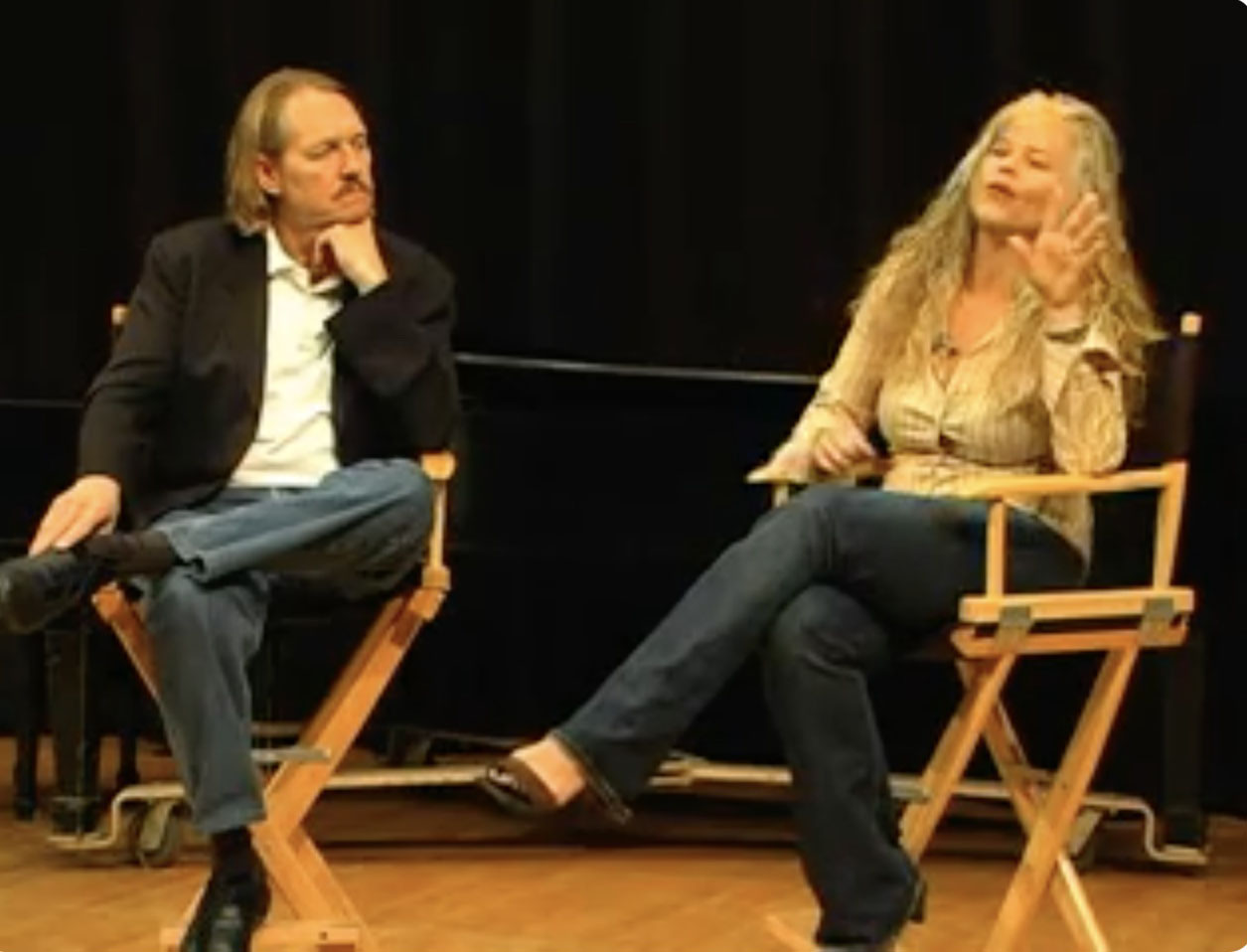
To be certain, fair use is far from “useless.” Fair use is absolutely one of the most important parts of the Copyright Act. But given that a leading music industry lawyer is so dismissive of fair use speaks volumes. But it’s not just the dismissal of fair use that’s the problem. First, it’s the overall lack of respect for copyright law, and the intent of Congress in creating it. Second, it’s the willingness to subvert the Copyright Act. For example, in a 2007 interview at Loyola University (New Orleans), LaPolt delivered a condemnation of another area of copyright law: sound recording royalties. But she also gave a telling closeup of how the music industry has long subverted copyright law through their own “industry custom.” “We have the laws,” LaPolt said, “and then we have what we call ‘industry custom’…We get stuck with these laws made by the blowbags in Congress, who don’t have a shit’s idea what the fuck we do for a living. So they make these laws and we have to live with this crap. So they make these laws, then we turnaround — those that run the music industry — and we make up our own crap, and do what we think is right. Which is called ‘industry custom.’”[4]
LaPolt is certainly not alone in her dismissal of fair use. Tim Quirk, another music industry insider who also spoke with the authors of Creative License, echoed LaPolt when he said: “You ask a lawyer for a record company, which I have done — if you ask Cary Sherman, head of the RIAA (Recording Industry Association of America) — he will look at you in the eye and say, ‘There is no such thing as fair use.’ He will actually say that. And he will say, ‘It is nothing but a negative defense to a copyright infringement claim. It doesn’t exist absent a claim that you’ve done something wrong.’”
The statements by LaPolt and Quirk demonstrate the music industry’s hostility towards and ignorance about fair use. More importantly, their statements are in direct odds both with the Copyright Act and what the Supreme Court has strongly reaffirmed about fair use in Campbell. The authors of Creative License acknowledged that “Many of those whom we interviewed between 2005 and 2008 exhibited ignorance or indifference toward this legal doctrine [fair use].”[5] This echoes my own findings, as I received the same responses from other music industry insiders as well. But what was more alarming to me was the fact that all of the beatmakers (producers) that I interviewed conceded that they either knew very little or nothing at all about fair use; and several admitted that they had never even heard of fair use.
LaPolt did not mention fair use in her interview at Loyola University; nonetheless, her explanation of “industry custom,” proves that the music industry has established a custom of willingly subverting copyright law, especially when doing so serves their best interest. So it’s easy to see how one of the music industry’s top lawyers would describe fair use as a “useless part of the Copyright Act” that should be “deleted.” To those “who run the music industry,” fair use — a vital part of copyright law — is an inconvenient truth that they’d prefer to ignore, misrepresent, or purposely remain ignorant about when it comes to sampling.
Notes:
1. Campbell v. Acuff-Rose Music, 510 U.S. 569,575 (1994)
2. Kembrew McLeod and Peter DiCola, Creative License: The Law and Culture of Digital Sampling, (Duke University Press Books, 2011), 238, 240 (emphasis mine).
3. Ibid, 23.
4. “Loyola University Forum with Music Lawyer Dina LaPolt , 2007,” Artists House Music (2012) http://www.youtube.com/watch?v=umonWhEdzlw, accessed June, 2012 (emphasis mine).
5. McLeod and DiCola, 239-40.
